Introduction
In today's busy workplace, ensuring the safety and well-being of staff members is vital. Among the crucial elements of workplace safety and security is the stipulation of Automated External Defibrillators (AEDs). These lifesaving devices are essential for responding to sudden heart attacks, which can happen in any type of setup, consisting of offices. This thorough overview will delve into the Workplace AED Needs in Australia, highlighting what every employer needs to understand about implementing and preserving AEDs.
Workplace AED Demands in Australia: What Every Employer Requirements to Know
Understanding the lawful and practical demands bordering AEDs is vital for all employers in Australia. The Australian Resuscitation Council highlights that having an AED on-site can substantially increase survival rates during cardiac emergencies. Employers should familiarize themselves with their responsibilities under pertinent legislation, consisting of the Job Health and Safety Act 2011.
The Significance of Having an AED in Your Workplace
Every second counts when it pertains to a CPR Course Gold Coast heart emergency situation. An AED can be the distinction in between life and fatality. According to researches, early defibrillation boosts survival rates by up to 70%. This underscores why it's not simply a good idea-- it's a necessity.
Understanding Automated External Defibrillator Clarified Australia
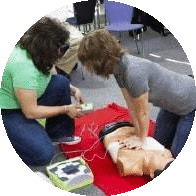
An Automated External Defibrillator (AED) is a mobile device that examines heart rhythm and can send out an electric shock to the heart if necessary. The gadget guides users through the procedure with voice triggers and aesthetic directions, making it usable also for people without any medical training.
How to Utilize an AED Detailed Australia
Using an AED includes several important steps:
Assess Responsiveness: Check if the person is responsive. Call for Help: Dial emergency situation services immediately. Retrieve the AED: Get the nearest AED. Attach Pads: Adhere to layouts on pads for proper placement. Analyze Heart Rhythm: The device will analyze whether a shock is needed. Deliver Shock if Necessary: Guarantee no one is touching the person before pressing the shock button. Continue CPR: After providing a shock, continue mouth-to-mouth resuscitation till emergency services arrive.AED and CPR With each other Australia
Combining mouth-to-mouth resuscitation with an AED enhances survival chances dramatically. While awaiting an ambulance, performing mouth-to-mouth resuscitation maintains blood distributing, increasing oxygen supply to important organs till defibrillation can occur.
AED Use on Children Australia
When using an AED on kids, special pediatric pads are normally called for. Several contemporary devices come furnished with child-specific settings that adjust power levels based upon age or weight criteria.
AED Battery Maintenance Australia
Maintaining your AED consists of inspecting battery standing on a regular basis, changing batteries according to maker standards, and ensuring pads are not ended or damaged.
Workplace AED Requirements Australia
Employers need to make certain that:
- A proper number of AEDs are available based upon workplace size and location. Employees have access to training for making use of the device. Regular upkeep checks are performed according to maker recommendations.
Public AED Locations Australia
Many public rooms now include accessible AEDs; knowing where these places are can save lives outside Gold Coast First Aid Courses of office setups too. Neighborhood councils frequently keep data sources of these locations.
Defibrillator Training Programs Australia
Training courses offer crucial understanding regarding using defibrillators effectively alongside mouth-to-mouth resuscitation strategies. Organizations like St John Rescue deal accreditations that gear up employees with lifesaving skills.
Defibrillator Regulations Australia
Legislation bordering defibrillators varies by state yet normally mandates certain workplaces, such as health clubs or aged treatment facilities, to have AEDs conveniently offered for usage throughout emergencies.
Choosing Right AED Australia
Selecting an appropriate model relies on aspects such as:
- Intended usage (workplace vs industrial) User-friendliness Availability of pediatric options
Identifying Prospective Calamities in Your Workplace
Employers must perform threat analyses regularly to recognize potential medical emergency situations distinct to their atmosphere-- this might consist of examining employee health and wellness risks or environmental threats influencing emergency situation reaction protocols.
FAQs
1. What is an Automated Outside Defibrillator?
An Automated External Defibrillator (AED) is a portable gadget created to deal with people experiencing abrupt heart attack by delivering an electrical shock that helps restore normal heart rhythm.
2. Are there lawful requirements for having an AED in my workplace?
Yes, while specific regulation may vary by state or region, numerous areas require workplaces-- especially those taken into consideration risky-- to have accessibility to automated outside defibrillators as component of their first aid provisions.
3. Exactly how usually should I inspect my work environment's AED?
It's a good idea to inspect your office's AED a minimum of when a month and after each usage, guaranteeing that batteries are practical and pads are within expiry dates.
4. Can any person utilize an AED?
Yes! Modern gadgets are designed for laypeople and provide step-by-step audio guidelines; nonetheless, formal training is suggested for optimum readiness during emergencies.

5. What is consisted of in defibrillator training courses?
Courses typically cover how to operate an AED securely, do mouth-to-mouth resuscitation effectively, identify indications of cardiac arrest, and respond properly throughout clinical emergencies.
6. Where can I locate public access defibrillators?
Public access defibrillators can be located in various places such as shopping mall, flight terminals, institutions, sporting places, and recreation center; regional authorities commonly maintain maps showing these locations.
Conclusion
Ensuring workplace safety and security involves more than just conformity; it has to do with promoting a culture of preparedness among employees worrying health emergency situations such as heart attacks. Executing reliable policies around Automated External Defibrillators (AEDs) not only improves your obligation of treatment but additionally reveals dedication towards worker well-being-- a win-win situation!
In recap, understanding the necessary components surrounding office AED demands in Australia furnishes employers with understanding needed for developing much safer settings conducive to both productivity and wellness amongst team member-- because at the end of the day? Everyone deserves satisfaction recognizing they're made sure of!